
Are you about to embark on a new journey with dentures? Adjusting to new dentures can be a challenging experience for many individuals. While dentures offer numerous benefits, such as restoring your smile and enhancing your ability to chew, they also require a period of adjustment. When researching the price of full mouth dentures, it is essential to consider the long-term value they provide in terms of oral health, functionality, and renewed confidence. In this article, we will provide you with valuable tips to help you overcome the challenges associated with adjusting to new dentures. So, let’s dive in and discover how to make your denture transition as smooth as possible.
Adjusting to new dentures is a process that requires patience and perseverance. It is normal to experience some initial discomfort and challenges while getting accustomed to wearing dentures. However, with the right mindset and knowledge, you can overcome these obstacles and fully embrace your new dentures.
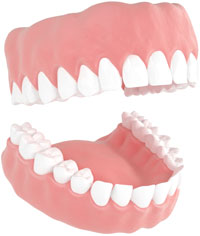
Understanding the Adjustment Period
The adjustment period refers to the time it takes for your mouth and oral tissues to adapt to the presence of dentures. During this period, you may experience discomfort, soreness, and difficulty performing daily activities such as eating and speaking. It’s important to understand that adjusting to dentures is a gradual process and varies from person to person.
Managing Discomfort and Soreness
Discomfort and soreness are common during the initial stages of wearing dentures. To alleviate these issues, it is recommended to:
- Follow your dentist’s instructions: Your dentist will provide specific guidelines on how to manage discomfort and soreness. It may include using over-the-counter pain relievers or rinsing your mouth with warm saltwater.
- Use a denture adhesive: A denture adhesive can help improve the stability and comfort of your dentures. Apply it according to the manufacturer’s instructions.
- Take breaks from wearing dentures: During the adjustment period, you can remove your dentures for short periods to give your mouth a rest.
Practicing Proper Oral Hygiene
Maintaining good oral hygiene is crucial when you have dentures. Here are some tips to keep your mouth clean and healthy:
- Clean your dentures daily: Remove your dentures and clean them thoroughly with a denture brush and denture cleaner. This will help prevent the buildup of plaque and bacteria.
- Brush your gums, tongue, and palate: Even with dentures, it’s important to clean your mouth to maintain oral health. Use a soft-bristle toothbrush or a specialized brush for cleaning the gums, tongue, and palate.
- Rinse your mouth after meals: After eating, rinse your mouth with water to remove any food particles that may be trapped under your dentures.
Developing Proper Chewing Techniques
Learning how to chew with dentures can be challenging initially. Follow these tips to improve your chewing ability:
- Start with soft foods: Begin by consuming soft and easily chewable foods, gradually progressing to more challenging textures.
- Cut food into smaller pieces: To make chewing easier, cut your food into smaller, bite-sized pieces.
- Chew evenly on both sides: Distribute the pressure evenly while chewing by alternating between both sides of your mouth.
Speaking Clearly with Dentures
Speaking clearly with dentures may require some practice. Here are a few suggestions to help improve your speech:
- Practice reading aloud: Reading aloud can help you get accustomed to speaking with dentures. Start with simple sentences and gradually progress to more complex texts.
- Speak slowly and enunciate: Take your time while speaking and focus on pronouncing each word clearly. This will help you gain confidence in your speech.
Adapting to Dietary Changes
With dentures, you may need to make certain dietary adjustments. Here are some tips to adapt to these changes:
- Avoid sticky and hard foods: Initially, it’s best to avoid sticky or hard foods that can dislodge or damage your dentures.
- Cut food into smaller pieces: Cutting your food into smaller pieces makes it easier to chew and prevents strain on your dentures.
- Gradually reintroduce challenging foods: As you become more comfortable with your dentures, gradually reintroduce challenging foods back into your diet.
Building Confidence and Self-Esteem
Adjusting to dentures can impact your confidence and self-esteem. Here are a few ways to boost your confidence:
- Give yourself time: Remember that adjusting to dentures is a process. Be patient with yourself and give yourself time to adapt.
- Practice in private: Practice speaking and eating with your dentures in the privacy of your home until you feel more confident.
- Seek support: Share your feelings and experiences with friends, family, or support groups who can provide encouragement and understanding.
Maintaining Regular Dental Check-Ups
Regular dental check-ups are essential to ensure the health and fit of your dentures. Your dentist will examine your mouth, make any necessary adjustments, and address any concerns you may have. Follow your dentist’s recommendations regarding the frequency of check-ups.
Seeking Professional Assistance
If you’re facing persistent difficulties or discomfort with your dentures, don’t hesitate to seek professional assistance. Your dentist or prosthodontist can evaluate your dentures and make adjustments as needed to improve their fit and comfort.
Incorporating Denture Adhesives
Denture adhesives can enhance the stability and retention of your dentures. If you’re experiencing frequent denture movement, consider using a denture adhesive. Follow the instructions provided by the manufacturer to ensure proper application.
Tips for Denture Care and Maintenance
To keep your dentures in optimal condition, follow these care and maintenance tips:
- Handle dentures with care: When removing or inserting dentures, do so over a soft surface or a folded towel to prevent damage.
- Clean dentures daily: Remove plaque and food particles by brushing your dentures with a denture brush and denture cleaner.
- Soak dentures overnight: Soaking dentures in a denture-cleaning solution or water overnight helps maintain their shape and cleanliness.
- Avoid hot water and harsh chemicals: Hot water and abrasive cleaners can cause dentures to warp or become damaged. Use lukewarm water and non-abrasive cleaners.
- Store dentures properly: When not wearing your dentures, store them in a denture-cleaning solution or plain water to prevent them from drying out or losing their shape.
Overcoming Emotional Challenges
Adjusting to new dentures can sometimes trigger emotional challenges. It’s important to acknowledge and address these feelings. Consider the following strategies:
- Be patient with yourself: Accept that adjusting to dentures takes time and be patient with yourself during this process.
- Focus on the positive: Remind yourself of the benefits that dentures bring, such as an improved smile and better oral function.
- Seek emotional support: Reach out to loved ones, friends, or support groups who can provide emotional support and understanding during this transition.
Exploring Support Networks
Connecting with others who have gone through a similar denture adjustment can be invaluable. Consider joining local or online support networks or seeking advice from denture wearers who have successfully overcome the challenges you’re facing.
Conclusion
Adjusting to new dentures may present challenges, but with patience, perseverance, and the right strategies, you can overcome them. Follow the tips provided in this article to make your denture transition as smooth as possible. Remember to consult your dentist or prosthodontist if you encounter persistent difficulties or discomfort. Embrace your new dentures and enjoy the benefits they bring to your smile and oral health.