
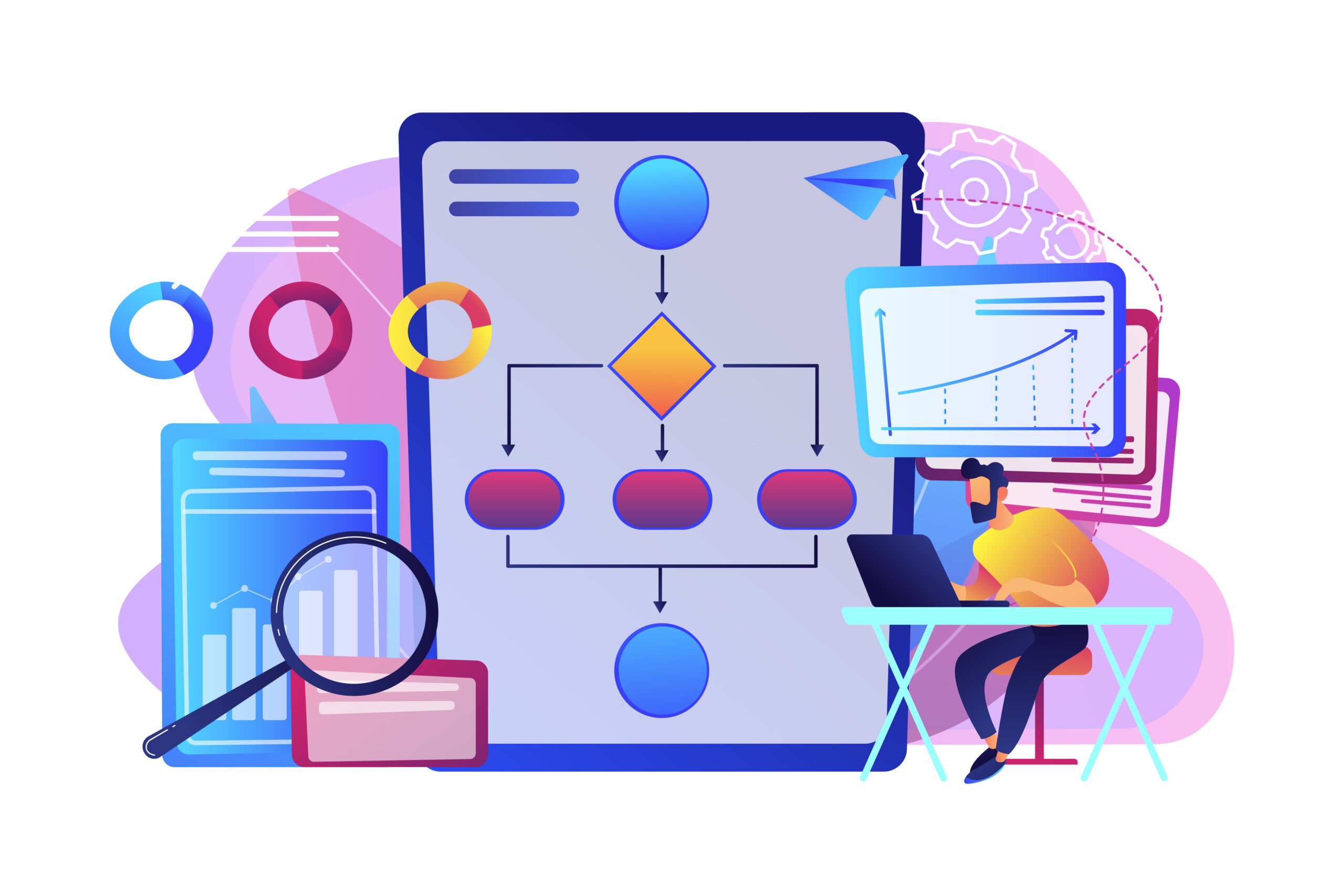
An orchestration tool is a software solution designed to automate and streamline complex, multi-step processes in various industries. Whether it’s managing the deployment of applications, coordinating the provisioning of resources, or orchestrating workflows, these tools are invaluable for organizations seeking to optimize efficiency and productivity. By leveraging advanced automation capabilities, orchestration tools enable businesses to centrally manage and control their operations, reducing manual efforts, minimizing human errors, and enhancing scalability.
One of the key benefits of using an orchestration tool is the ability to automate repetitive and time-consuming tasks, allowing teams to focus on more strategic and creative initiatives. These tools often provide a visual interface or a script-based approach to define workflows, making it easier for users to build, run, and manage complex processes. Furthermore, orchestration tools offer extensive integration capabilities, enabling seamless communication and coordination among different systems, applications, and technologies. This integration empowers organizations to create end-to-end automation workflows that span across multiple domains, streamlining processes and improving collaboration between teams.
Kubernetes vs. Docker Swarm: Choosing the Right Orchestration Tool
When it comes to orchestrating and managing containerized applications, two popular options are Kubernetes and Docker Swarm. Both tools have their strengths and weaknesses, and the choice between them depends on various factors.
Kubernetes is an open-source container orchestration platform developed by Google. It provides a highly scalable and flexible infrastructure for managing containers and automating deployment, scaling, and management of applications. With its robust features, Kubernetes is often favored by larger organizations with complex container setups.
On the other hand, Docker Swarm is a native clustering and orchestration tool for Docker containers. It is part of the Docker ecosystem and offers a more straightforward and lightweight solution compared to Kubernetes. Docker Swarm is easier to set up and manage, making it a popular choice for small to medium-sized businesses.
Ultimately, the decision between Kubernetes and Docker Swarm depends on the specific needs and resources of your organization. For a more in-depth comparison of both tools, Digi Effects provides a comprehensive guide that can help you make an informed choice.
In conclusion, an orchestration tool is a valuable solution for automating and optimizing complex processes in various industries. These tools offer advanced automation capabilities, allowing organizations to centrally manage and control their operations while minimizing manual efforts and human errors. By automating repetitive tasks and providing visual interfaces or script-based approaches, orchestration tools enable teams to focus on more strategic initiatives. Additionally, the extensive integration capabilities of these tools facilitate seamless communication and coordination among different systems, applications, and technologies, improving collaboration and streamlining processes. When it comes to containerized applications, the choice between Kubernetes and Docker Swarm depends on factors such as organization size and complexity. Kubernetes provides a highly scalable infrastructure preferred by larger organizations, while Docker Swarm offers a lightweight and straightforward solution favored by small to medium-sized businesses. Ultimately, organizations should evaluate their specific needs and resources to determine the most suitable orchestration tool for their operations.