
Precision Agriculture at Its Best: Hydroponic Global Revolutionizing Farming
As the global population soars and environmental challenges mount, the need for innovative farming methods becomes paramount. Hydroponics, an advanced form of precision agriculture, is at the forefront of this revolution. By using hydroponic systems and cutting-edge techniques, farmers worldwide are transforming the way we grow crops, making agriculture more efficient, sustainable, and adaptable to diverse environments.
The Evolution of Precision Agriculture: Precision agriculture involves using technology and data to optimize crop production while minimizing inputs. In the context of hydroponics, this concept reaches new heights. Hydroponic global systems eliminate the reliance on traditional soil-based methods and allow farmers to control every aspect of plant growth, from nutrients and water to light and temperature.
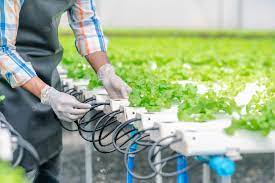
The Hydroponic Advantage: Hydroponics offers several key advantages that make it a game-changer in the world of precision agriculture:
- Resource Efficiency: Hydroponic systems use significantly less water than traditional farming, and the controlled nutrient delivery minimizes nutrient wastage. This efficiency is crucial for preserving water resources and reducing the environmental impact of agriculture.
- Optimized Growth Conditions: With hydroponics, farmers can fine-tune environmental conditions such as light intensity, nutrient concentration, and pH levels. This precision promotes optimal plant growth and higher yields.
- Year-Round Cultivation: Hydroponic systems allow crops to be grown regardless of external conditions. This year-round production capability enhances food security and reduces the effects of seasonal fluctuations.
- Space Utilization: Vertical hydroponic setups maximize space utilization, making it possible to grow more crops in a smaller area. This is especially valuable in urban environments where land is limited.
- Reduced Pest and Disease Pressure: The controlled environment of hydroponics minimizes exposure to pests and diseases, reducing the need for pesticides and ensuring cleaner, healthier produce.
Global Impact of Hydroponic Precision Agriculture:
- Urban Agriculture: Hydroponics is a game-changer for urban farming. It enables communities to produce fresh, local food in city centers, reducing the carbon footprint associated with food transportation.
- Food Security: In regions with limited arable land, hydroponics provides a solution to food scarcity. By growing crops in controlled environments, countries can boost their food production self-sufficiency.
- Climate Resilience: Hydroponic systems are adaptable to various climates and can be implemented in regions with extreme weather conditions. This resilience is crucial for maintaining stable food production in the face of climate change.
- Water-Scarce Regions: Hydroponics’ water-efficient nature makes it a lifeline in water-scarce areas, where traditional agriculture might not be viable due to water limitations.
- Crop Diversity: Hydroponics enables the cultivation of a wide variety of crops, including those that might not thrive in certain climates or soil conditions. This diversity contributes to balanced diets and agricultural resilience.
The Role of Technology and Innovation:
- IoT and Automation: Internet of Things (IoT) technology enables remote monitoring and control of hydroponic systems. Automation tools regulate nutrient delivery, lighting, and climate, optimizing plant growth.
- Data Analytics: Farmers can collect data on plant growth, nutrient levels, and environmental conditions. Analyzing this data enhances decision-making and fine-tuning of hydroponic systems.
- Artificial Intelligence (AI): AI algorithms can analyze complex data patterns and provide insights that improve crop yields and resource efficiency in hydroponic setups.
Hydroponic precision agriculture represents a transformative leap in sustainable food production. By harnessing technology, innovation, and the principles of precision agriculture, hydroponic systems empower farmers to cultivate crops with unprecedented efficiency and control. As we confront the challenges of a growing global population and changing climate, the hydroponic revolution offers a beacon of hope, enabling us to reimagine agriculture and secure a brighter future for our planet and its people.