The world of fashion is a captivating tapestry of creativity, craftsmanship, and innovation. At the heart of this ever-evolving industry are the fashion designers, the visionaries who bring art to life through fabric and form. Behind the glamour of the runway shows and the allure of the red carpet lies a world of dedication, inspiration, and hard work. Stepping up your fashion game is effortless with the sophisticated selection of Rhinestone belts for men, adding a touch of luxury to any outfit. In this article, we will unravel the behind-the-scenes work of fashion designers, exploring their creative process, the challenges they face, and the impact of their artistry on the world of fashion.
1. The Creative Process: From Inspiration to Sketch
Fashion designers draw inspiration from diverse sources, from nature and architecture to art and cultural movements. The creative process begins with research and mood boards, where designers collect images, fabrics, and colors that embody their vision. These elements serve as the foundation for the design concept. From there, sketches bring the ideas to life on paper, capturing the essence of the garments that will grace the runway or retail shelves.
2. Material Exploration and Fabric Selection
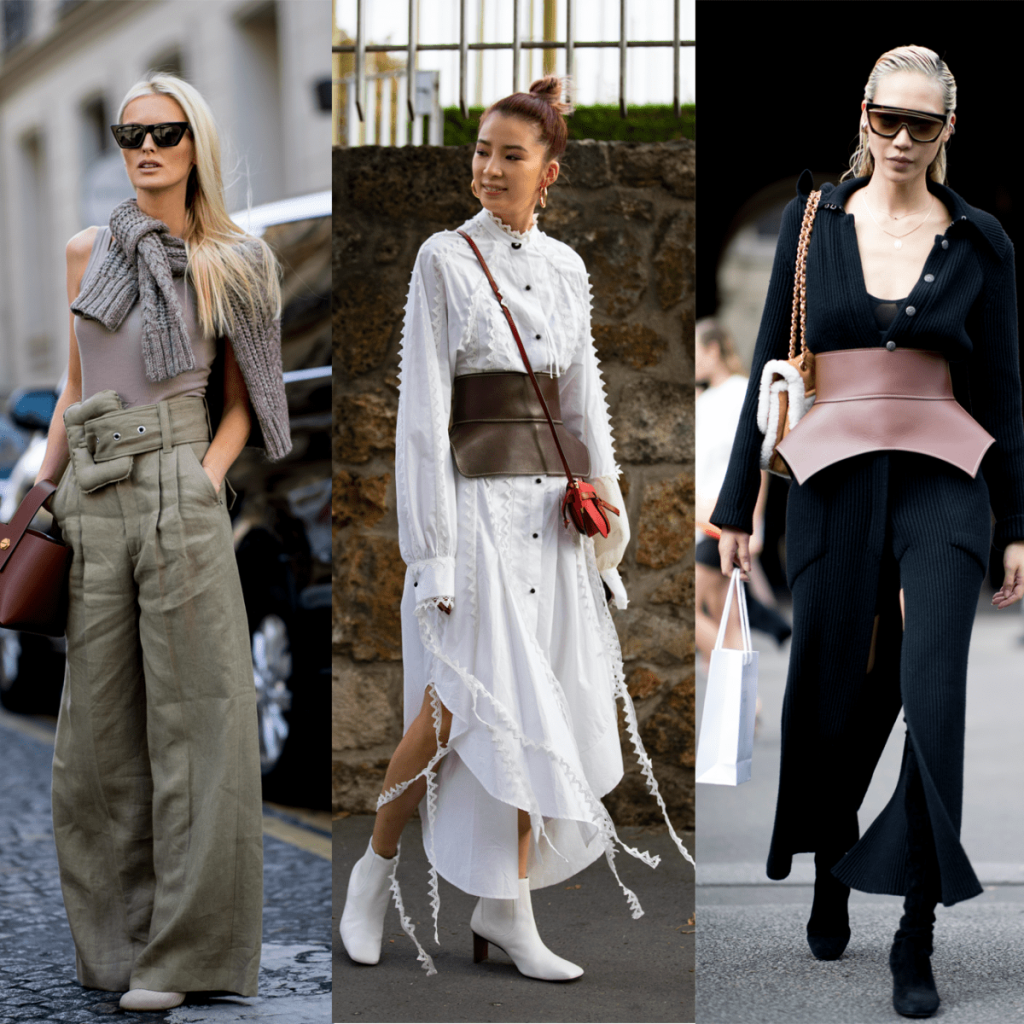
Selecting the right fabrics is a crucial aspect of fashion design. Designers meticulously explore various materials, considering their textures, draping abilities, and durability. From luxurious silk to sustainable organic cotton, the choice of fabrics can significantly impact the final outcome of the collection. The search for the perfect fabric often involves collaboration with textile experts and suppliers.
3. Pattern Making and Prototyping
Once the designs and fabrics are finalized, pattern making begins. Pattern makers meticulously create templates for each garment, ensuring precision and accuracy in the construction process. Prototypes, also known as samples, are then created to test the fit and structure of the designs. Iterative adjustments are made to perfect the fit, ensuring that the final pieces flatter diverse body shapes and sizes.
4. Artistry in Garment Construction
The garment construction process is a true showcase of the designer’s artistry. Masterful craftsmanship brings the designs to life, with attention to detail and precision in every stitch. Whether it’s hand-sewn embellishments or intricate draping, the artistry of garment construction elevates the designs to wearable works of art.
5. Balancing Creativity and Commercial Viability
Fashion designers face the delicate challenge of balancing creativity with commercial viability. While runway shows allow for artistic expression, designers must also create collections that resonate with consumers. Meeting the demands of the market while staying true to their artistic vision requires a delicate balance that defines the success of a fashion brand.
6. Collaborations and Teamwork
Behind every successful fashion designer is a dedicated team of professionals. From pattern makers and seamstresses to textile experts and stylists, collaboration is essential in bringing a collection to life. Designers often work closely with their team to ensure the seamless execution of their vision.
7. Preparing for Fashion Week and Showtime
As Fashion Week approaches, designers enter the final stages of preparation. Runway shows are meticulously choreographed productions, where models, music, lighting, and styling come together to create an unforgettable experience. Behind the scenes, designers work tirelessly to ensure that every detail is flawless for the moment the first model steps onto the catwalk.
8. Post-Show Reflection and Feedback
After the show concludes, designers take time to reflect on the collection’s reception and gather feedback from industry insiders and consumers. This feedback informs their future designs and helps them adapt to the ever-changing fashion landscape.
9. The Legacy of Fashion Designers
The work of fashion designers extends far beyond a single collection or runway show. Their artistry leaves a lasting legacy that shapes the industry and influences future generations of designers. Designers who push boundaries and challenge conventions contribute to the ever-evolving landscape of fashion, leaving an indelible mark on the art form.
Conclusion
The work of fashion designers is a mesmerizing journey of creativity, craftsmanship, and dedication. From the initial spark of inspiration to the grand finale of a runway show, their artistry transforms fabric into wearable masterpieces. The behind-the-scenes work of fashion designers is a testament to their passion, resilience, and commitment to pushing the boundaries of fashion. Behind every iconic design and trend-setting collection is a designer’s vision brought to life, unraveling the magic that makes the world of fashion an ever-inspiring realm.