Gas and air detectors are essential devices that play a crucial role in ensuring safety in various industrial and commercial settings. These detectors are designed to monitor the presence of harmful gases and levels of oxygen in the air, alerting individuals to potential hazards and allowing for quick response in case of emergencies. With advancements in technology, modern gas and air detectors are more sensitive, accurate, and reliable, offering real-time monitoring and data logging capabilities.
From detecting flammable gases like methane and propane to monitoring toxic gases such as carbon monoxide and hydrogen sulfide, gas and air detectors are vital tools for maintaining a safe work environment. Whether used in refineries, chemical plants, laboratories, or mining operations, these devices help prevent accidents, minimize exposure to hazardous substances, and ensure compliance with safety regulations. In this article, we will explore the various types of gas and air detectors available on the market, their features and functionalities, as well as the importance of regular calibration and maintenance for optimal performance.
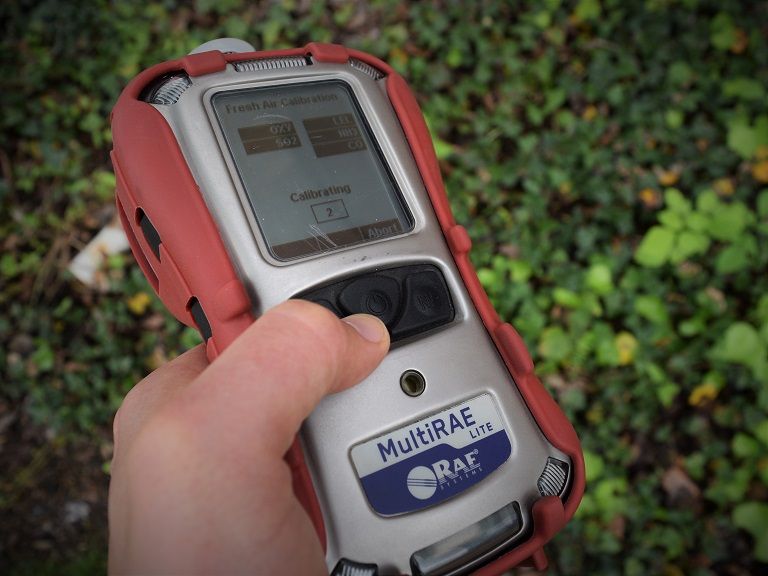
Types of Gas and Air Detectors
There are several types of gas and air detectors available, each designed to detect specific gases and provide different functionalities. For example, portable gas detectors are compact devices that can be carried around for personal monitoring, while fixed gas detectors are installed in a fixed location for continuous monitoring of specific areas. Some detectors are specialized for detecting a particular gas, such as toxic gas detector that can alert to the presence of harmful gases like hydrogen sulfide or ethylene oxide. Other detectors are designed to detect a wide range of gases, making them versatile for various industrial applications.
Regular calibration and maintenance of gas and air detectors are essential to ensure accurate readings and reliable performance. This involves checking the sensors, recalibrating the device if necessary, and replacing any worn-out parts to maintain optimal functionality. Proper maintenance not only extends the lifespan of the detectors but also ensures that they operate effectively when needed most in case of emergencies. By following manufacturer’s recommendations for calibration and maintenance schedules, organizations can safeguard their employees and facilities from potential hazards posed by toxic gases and ensure compliance with safety regulations.
In conclusion, gas and air detectors are indispensable tools for maintaining a safe working environment in industrial and commercial settings. These devices, ranging from portable personal monitors to fixed area monitors, play a critical role in detecting hazardous gases and ensuring timely response to potential dangers. By regularly calibrating and maintaining these detectors, organizations can uphold safety standards, minimize risks, and protect both employees and facilities from the threats posed by toxic gases. With advancements in technology and continued adherence to maintenance protocols, gas and air detectors will continue to be essential components in safety management systems, promoting a secure and healthy workplace for all.
Leave a Reply