Advancements in technology have revolutionized the field of medical education, particularly with the introduction of 3D anatomy models. These cutting-edge tools allow students to explore the intricacies of the human body in a way that was previously not possible. By providing a detailed and immersive experience, these models enhance learning outcomes and help students better understand the complex structures and functions of the human body.
From virtual dissections to interactive simulations, 3D anatomy models offer a hands-on approach to learning that engages students and allows them to visualize anatomical structures in a way that textbook images simply cannot replicate. As more educators integrate these innovative tools into their curricula, we can expect to see a new generation of healthcare professionals who are better prepared and equipped to meet the challenges of a rapidly evolving healthcare landscape.
Enhancing Learning Outcomes
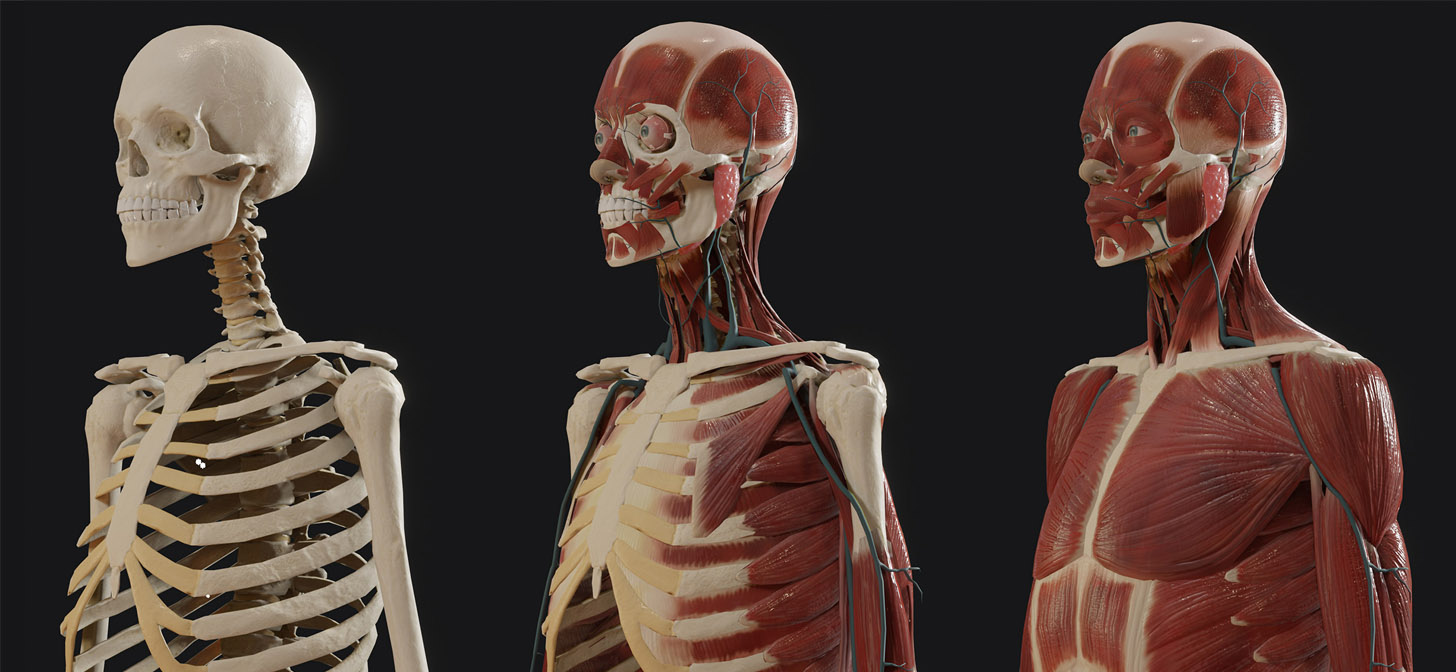
With the integration of Rigged 3d Anatomy Model, medical students can now delve into the complexities of human anatomy like never before. These advanced models provide a hands-on learning experience that fosters better retention and understanding of anatomical structures. By allowing students to interact with 3D representations of organs, muscles, and bones, educators can facilitate a more immersive and engaging learning environment.
Preparing Future Healthcare Professionals
As the healthcare industry continues to evolve, it is essential for aspiring healthcare professionals to have access to cutting-edge educational tools. The incorporation of Rigged 3d Anatomy Model in medical education not only enhances students’ grasp of human anatomy but also equips them with the skills and knowledge needed to excel in their future careers. By embracing these technological advancements, educators can ensure that their students are well-prepared to meet the challenges of a rapidly changing healthcare landscape.
In conclusion, the use of advanced 3D anatomy models in medical education is a game-changer that is revolutionizing the way students learn about the human body. These tools not only provide a more detailed and immersive experience but also enhance learning outcomes by allowing students to interact with anatomical structures in a hands-on way. By preparing future healthcare professionals with the skills and knowledge needed to excel in their careers, 3D anatomy models are shaping a new generation of well-equipped individuals ready to meet the challenges of a rapidly evolving healthcare landscape. Embracing these technological advancements is crucial for ensuring that students are adequately prepared for the demands of the healthcare industry.
Leave a Reply